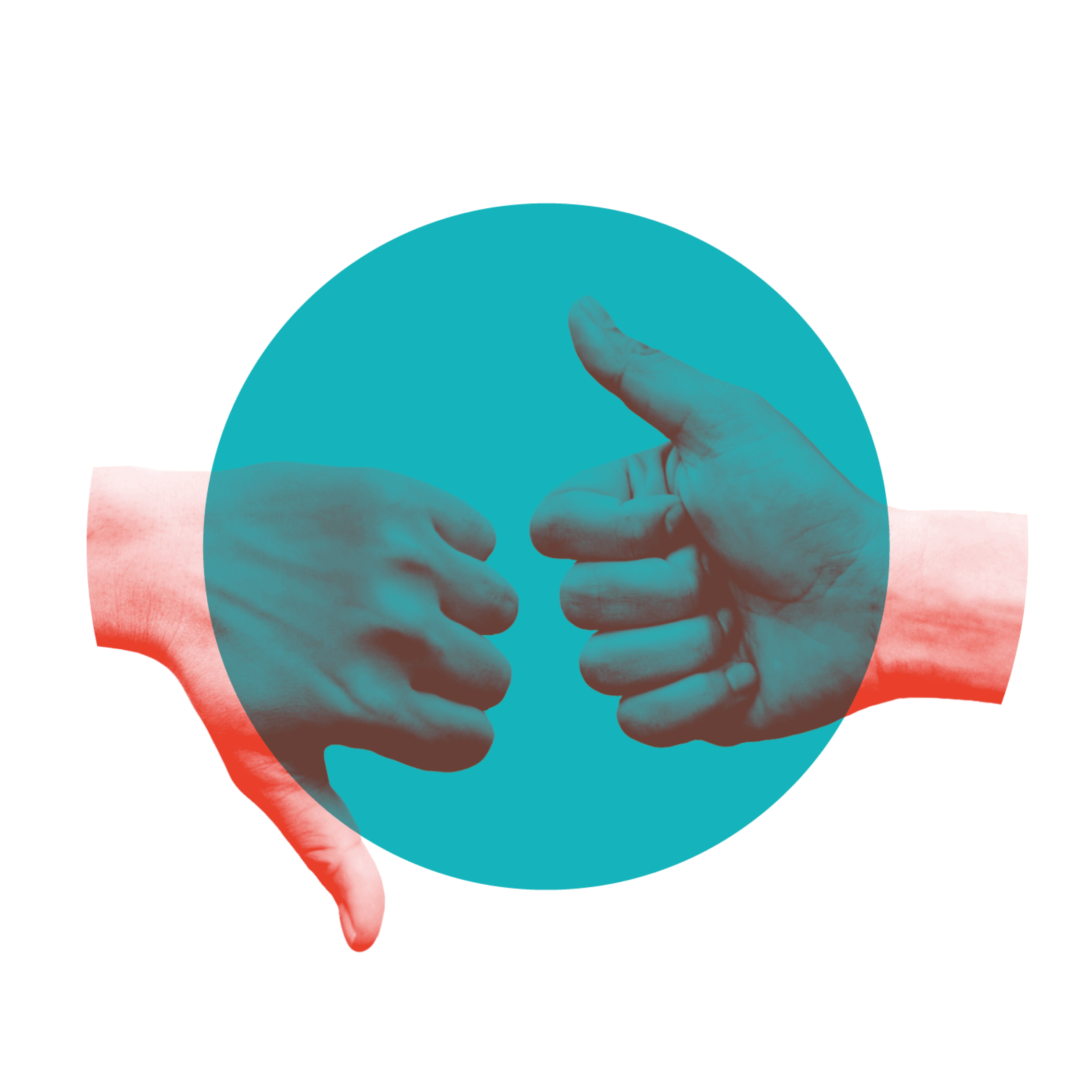
In a democracy, disagreement is common – and essential. We need to be able to stay in it, because it makes us wiser about each other.
Disagreement isn’t a problem in democracy – it’s a prerequisite. When we see things differently, we have the chance to learn, challenge assumptions, and find better solutions together.
But disagreement can feel uncomfortable. That’s why it’s a democratic skill to disagree without making it personal – and without interrupting, mocking, or shutting down.
It takes practice to listen with respect, offer thoughtful counterpoints, and hold your ground without turning away. When we train our ability to disagree, we become better at participating in democracy without shouting over one another – and without giving up when others push back.